The AI Prototype Trap


Building a working software demo with low-code tools and AI code generators has never been faster.
You prompt a tool, draft an interface, and show investors a functioning proof-of-concept in days. Then real users arrive and the system stalls. Nearly 60% of founders hit a wall when brittle prototype code breaks under actual user traffic. This gap between a working demo and a scalable product is known as the AI Prototype Trap. AI generators assemble quick front-end logic, but they frequently skip foundational software architecture, leaving behind hidden technical debt, security gaps, and performance bottlenecks. If your application is crashing or slowing down under load, you do not need to discard your project or spend hundreds of thousands rebuilding from scratch. You need targeted refactoring
Why Low-Code and AI Tools Create Technical Debt
AI prompt-based builders and no-code platforms focus on visual speed rather than long-term stability. While they accelerate early demos, they consistently introduce four core vulnerabilities: * Fragmented Architecture: AI tools generate code in isolated snippets without understanding your overall application architecture. This creates fragile dependencies that collapse when new features are added. * Unprotected Security Holes: Generated code routinely omits essential sanitisation, authentication checks, and encryption protocols, leaving user data vulnerable. * Database & Memory Bottlenecks: Demos handle 10 test queries effortlessly, but fail when hundreds of concurrent users trigger database requests simultaneously. * Vendor Lock-In & Unmaintainable Code: Low-code platforms obscure underlying code, making it difficult to export, optimise, or scale outside their ecosystem.
How to Audit Broken App Architecture
Before spending additional capital on new features, run this 4-step health check on your existing codebase: 1. Conduct Stress & Load Testing: Simulate peak user traffic using test tools to identify exact breaking points in your API endpoints and server response times. 2. Scan for Vulnerabilities: Run automated static analysis tools to locate hardcoded credentials, outdated packages, and unencrypted data pathways. 3. Review Database Query Efficiency: Check if simple user actions trigger redundant, unindexed database calls that choke server resources. 4. Evaluate Code Modularity: Check if changing a single front-end button breaks back-end functionality; a clear sign of tightly coupled, brittle code
3 Steps to Rescue Your Software Build Before Runway Runs Out
1. Refactor Core Foundations (Don't Patch, Re-Engineer). Avoid applying surface-level bug fixes over weak code. Focus engineering effort on modularising core business logic, securing API endpoints, and decoupling the database layer. 2. Move Critical Modules to Microservices. If a specific AI feature or data process causes application slowdowns, isolate that feature into an independent microservice. This ensures an isolated traffic surge won't crash the entire platform. 3. Establish Continuous Integration and Testing, implement automated unit and integration tests. Automated pipelines catch breaking changes before code reaches live production environments.
FAQ: Rescuing Your AI Prototype
What is the difference between an AI prototype and production-ready software? An AI prototype demonstrates functionality under ideal, low-traffic conditions. Production-ready software incorporates error handling, database indexing, encrypted security, and auto-scaling infrastructure designed for real-world traffic spikes. Should I scrap my low-code MVP or refactor it? In most cases, you do not need a complete rebuild. Refactoring allows engineers to retain your working user interface and core business logic while rewriting the underlying architecture to handle scale and security.
Get a Professional App Health Check
Don't let brittle code burn your runway or delay your product launch. At Apptly, we look under the hood of fragile prototypes, resolve critical architectural debt, and refactor applications into secure, enterprise-grade software. Book an App Health Check with Apptly Today to inspect your codebase before you scale.
Related Insights

·
4 min read
Solving Tech Skill Shortages: Dedicated Sprints for Growth

·
11 min read
Modernising Financial Apps: Next-Gen API Integration

·
7 min read
How Fixed Scope Sprints Accelerate Product Roadmaps

·
7 min read
Why Continuous Cyber Tracking Beats Annual Audits for SMEs
·
5 min read
Fixed-Price vs. Hourly Billing: Protecting Your Runway

·
3 min read
VC Technical Due Diligence Checklist for Startup Apps

·
2 min read
Building Scalable Fintech Apps: Security & High Throughput

·
3 min read
Why AI Agents Fail Without Product Structure

·
5 min read
Good UX is System Design, Not Interface Design

·
3 min read
No-Code Works… Until Systems Start to Scale

·
3 min read
Cybersecurity Is No Longer Just an IT Problem

·
7 min read
AI Is Becoming The Expensive Option
·
8 min read
UX for Legal Claim Funnels

·
8 min read
Accessibility Is Product Quality

·
3 min read
Serverless Architecture on AWS is a Key Differentiator
·
3 min read
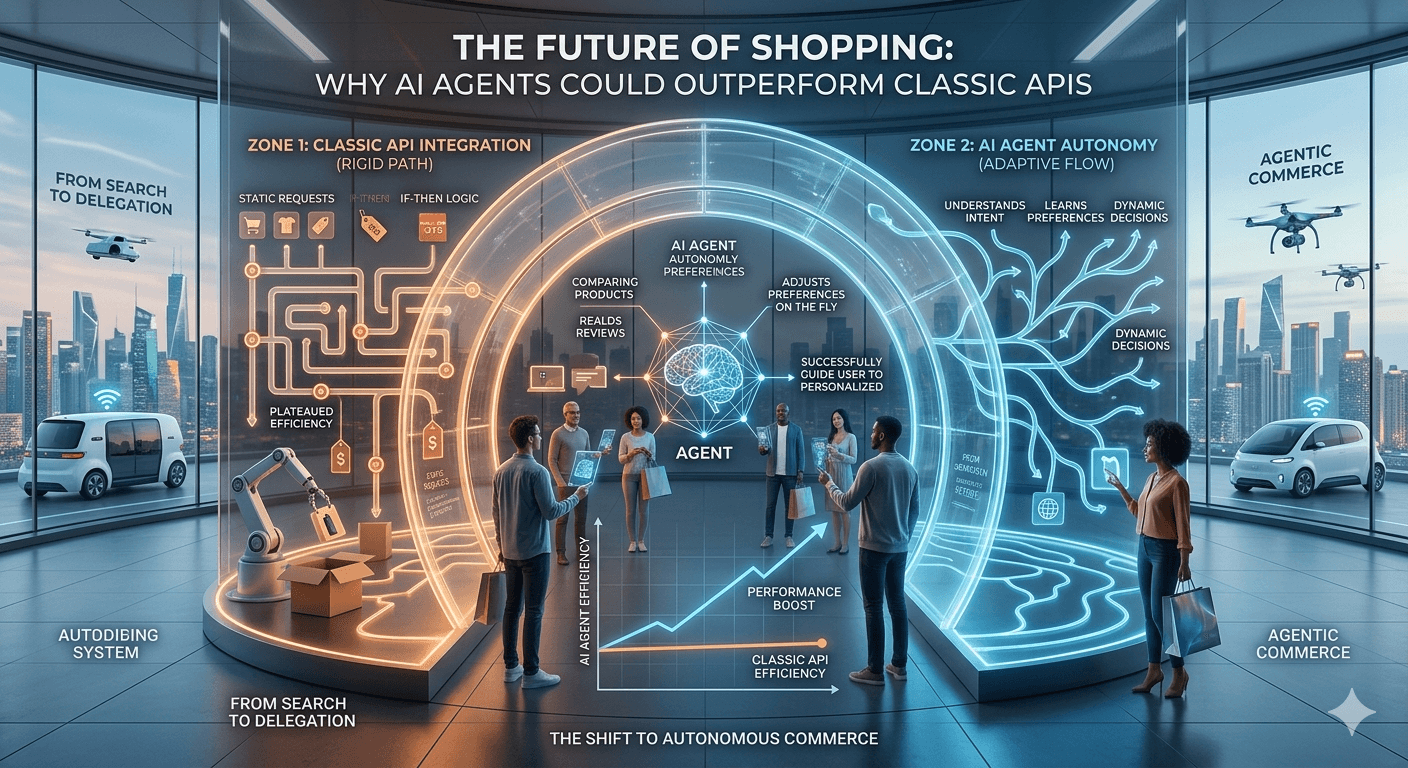
Why AI Agents Could Outperform Classic APIs

·
3 min read
Redefining UI/UX Design Seamlessly

·
3 min read
No-Code Tools: The Double-Edged Sword of Modern Development

·
3 min read
Claude Rides on SpaceX’s Cloud Infrastructure