Modernising Financial Apps: Next-Gen API Integration


Why Legacy Financial Systems Struggle to Keep Up
Legacy financial software remains central to many organisations. These systems often support critical operations, from transaction processing and account management to reporting and regulatory compliance. They may be reliable and well understood, but their underlying architecture can make change difficult. Traditional financial applications are frequently built around tightly connected components. Updating one part of the system can affect several others, increasing development time, testing requirements and the risk of disruption. Integrating a new payment provider, adding real-time account information or introducing an improved onboarding process can quickly become a substantial engineering project. This creates a problem for businesses trying to compete with modern fintech providers. Customers compare their experiences with the best digital services they use every day, not just with other financial institutions. Slow interfaces, repeated data entry and delayed updates can make even a technically sound financial product feel outdated. The challenge is not always that the core system needs replacing. Often, the greater opportunity lies in improving how that system connects with the services around it.
What Is Next-Generation API Integration?
An application programming interface, or API, allows different software systems to communicate and exchange data through defined interfaces. In financial applications, APIs can connect core banking platforms, payment gateways, identity verification providers, accounting tools and customer-facing applications. Next-generation API integration takes this further by supporting a modular approach to product development. Instead of building every capability into one large application, businesses can connect specialised services that each perform a clearly defined function. For example, a fintech platform might use one service for identity verification, another for payment processing and a separate service for transaction notifications. These capabilities can work together through APIs while remaining independently maintainable. This architecture creates more flexibility. Developers can improve individual services, replace providers or introduce new functionality without redesigning the entire application, provided the interfaces and dependencies are managed properly. For businesses with established financial software, this creates an opportunity to modernise incrementally. Rather than committing to a costly, high-risk system replacement, they can introduce new capabilities around existing infrastructure and expand as their requirements evolve.
Connecting Modern Services to Legacy Software
The real value of API integration comes from connecting modern services to existing financial systems in a controlled and reliable way. This requires more than simply making two applications exchange data. It involves designing clear interfaces, managing dependencies and ensuring that information moves securely between systems. An API layer can act as a bridge between legacy software and newer applications. It can translate requests, standardise data formats and control how external services access core functionality. Where older systems do not expose suitable APIs, an integration layer may need to interact with existing databases, internal services or other supported interfaces. Consider a financial application that uses an established system to maintain customer accounts. Rather than replacing that system, developers could introduce an API layer that allows a modern mobile app to retrieve account information, display recent transactions and initiate supported payment workflows. The customer benefits from a more responsive and accessible interface, while the business retains its existing core infrastructure. A modular approach also makes it easier to introduce third-party services. Payment processing, open banking connections, fraud detection and identity verification can be integrated as separate capabilities, subject to the relevant technical, contractual and regulatory requirements. The important consideration is consistency. Every integration should have clearly defined responsibilities, predictable responses and appropriate error handling. Without these foundations, adding more APIs can introduce complexity rather than remove it.
Improving Performance and Reliability
Performance is a fundamental part of financial app development. Customers expect account information to load quickly, payments to progress without unnecessary delays and transaction statuses to remain accurate. API integration can help improve performance by allowing services to operate independently and by reducing unnecessary work between systems. However, adding an API does not automatically make an application faster. Poorly designed integrations can introduce extra network calls, latency and additional points of failure. A well-designed architecture focuses on how data is requested, processed and delivered. For example, frequently accessed information that does not need to be updated continuously may be cached to reduce repeated requests. Asynchronous processing can handle suitable background tasks, such as sending notifications or generating reports, without forcing customers to wait for every operation to finish. Where appropriate, event-driven services can communicate important changes as they occur. Reliability also depends on how failures are managed. If an external provider becomes unavailable, the application should respond predictably rather than leaving users with an indefinite loading screen. Timeouts, controlled retries, monitoring and suitable fallback behaviour can help prevent a problem in one service from affecting the entire platform. Financial transactions require particular care. Payment and account operations must preserve data integrity, prevent duplicate processing and provide clear outcomes when a request times out or its status is uncertain. The objective is not simply to make an application faster. It is to make it dependable under real-world conditions.
Delivering a Better User Experience
Technical improvements matter most when customers can feel the difference. A modern financial app should make everyday tasks easier, reduce friction and provide clear information at every stage of an interaction. Modular API integration supports this by allowing developers to improve individual parts of the customer journey without rebuilding the whole product. For example, integrating a dedicated identity verification service can help streamline onboarding. A connected open banking service can allow customers to link supported accounts without manually entering every detail. Real-time transaction events can support more timely notifications, while integrated payment services can create a more consistent checkout experience. These capabilities can also reduce the amount of repetitive work customers need to complete. When information can be securely shared between connected systems, users may not need to enter the same details multiple times. There is an important distinction between adding features and improving UX. More integrations do not necessarily create a better product. The value comes from using the right services to remove friction and make the experience more coherent. Design and engineering therefore need to work together. Developers must ensure that API responses support the interface, while designers need to account for loading states, failed requests, pending transactions and other situations that affect customer confidence. In financial applications, transparency is especially important. If a payment is still processing, the interface should communicate that clearly. If an account connection fails, users should understand what happened and what they can do next. A seamless experience is not one in which problems never occur. It is one in which the product handles them clearly and reliably.
Security and Compliance Must Come First
Financial software operates in an environment where data protection, operational resilience and regulatory obligations are fundamental. Modernising an application through APIs must not introduce weaknesses that undermine the security of the wider platform. Every integration creates a relationship between systems, and each relationship needs appropriate controls. These include secure communication, strong authentication, authorisation, careful management of credentials and restrictions on the data each service can access. Sensitive information should only be shared when necessary, with appropriate protection throughout its journey. Access permissions should follow the principle of least privilege, ensuring that services receive only the permissions they require. API security also involves monitoring traffic, validating requests, managing rate limits and identifying unusual activity. Businesses should maintain clear audit trails for relevant operations and ensure that errors do not expose sensitive information. Third-party dependencies require particular attention. Before integrating an external provider, teams should assess its security practices, service reliability, data handling arrangements and suitability for the intended use case. Compliance should be considered from the beginning of the project, rather than treated as a final checkpoint. Depending on the product, market and services involved, this may include UK GDPR, payment services requirements, financial conduct obligations and applicable operational resilience standards. A modular architecture can make individual services easier to manage, but it does not remove the responsibility to secure the complete system. Security and compliance must extend across every connection, provider and customer journey.
Scaling Without Rebuilding Everything
As fintech products grow, their technical requirements change. Transaction volumes increase, new customer groups emerge and additional services become commercially valuable. An architecture that works for an early-stage product may struggle when demand expands. Modular API integration gives businesses more options for scaling. Services can be optimised independently, and additional capacity can be introduced where it is needed most. Teams can also work on separate components with clearer boundaries, reducing the risk that every improvement requires changes across the entire application. For example, a financial platform experiencing increased demand for transaction reporting may be able to improve its reporting service without making substantial changes to its payment processing components. Similarly, a business entering a new market might integrate a suitable local payment provider while retaining its existing account management and customer interface. This flexibility can support faster development and more controlled investment. Businesses can prioritise the capabilities that deliver the greatest value, validate improvements and expand their architecture as requirements become clearer. However, modularity needs discipline. Too many small services, poorly defined interfaces or unnecessary dependencies can increase infrastructure costs and make systems harder to operate. The right architecture is not the one with the most components. It is the one that creates useful separation without introducing avoidable complexity.
Making Modernisation a Manageable Process
For many financial businesses, a complete platform replacement is neither practical nor necessary. A phased approach to API integration can make modernisation easier to plan, test and deliver. The first step is to understand the existing system. Teams need to identify which components are critical, where bottlenecks occur and which limitations have the greatest impact on customers or internal operations. From there, businesses can prioritise a specific improvement. This might involve introducing a modern payment integration, improving account data retrieval or simplifying customer onboarding. The next stage is to define the integration architecture. This includes deciding how systems will communicate, how data will be protected, how failures will be handled and how performance will be monitored. Development should then take place in manageable stages, with appropriate testing before changes reach production. Automated tests, integration testing and controlled rollout strategies can help reduce risk, while monitoring provides visibility into how the new functionality performs in practice. It is also important to measure the results. Useful indicators may include API response times, error rates, transaction completion rates, onboarding completion and customer support requests. These measures help teams determine whether the integration has delivered a meaningful improvement rather than simply adding another technical capability. By treating modernisation as an ongoing process, businesses can improve their financial applications without committing to unnecessary disruption.
Building the Next Generation of Financial Apps
Modernising financial applications is not simply about adopting new technology. It is about creating systems that can evolve with customer expectations, business priorities and changing market conditions. Next-generation API integration provides a practical route to that flexibility. By connecting legacy financial software with modular services, businesses can introduce new capabilities, improve performance and deliver more intuitive digital experiences while retaining the core systems that remain valuable. Success depends on the quality of the integration. Performance, reliability, security and user experience must be considered together, with each technical decision tied to a clear business outcome. For fintech businesses and established financial organisations alike, the opportunity is to modernise with purpose. Start with the areas creating the greatest friction, introduce the right services and build towards an architecture that supports continued improvement. At Apptly, we help businesses turn complex technical challenges into scalable digital products. Whether you are improving an existing financial application, integrating third-party services or planning the next stage of your platform, the right engineering approach can help you move forward with confidence. Looking to modernise your financial application? Get in touch with Apptly to discuss how API integration can help you build a more flexible, reliable and user-focused product.
Related Insights

·
7 min read
How Fixed Scope Sprints Accelerate Product Roadmaps

·
7 min read
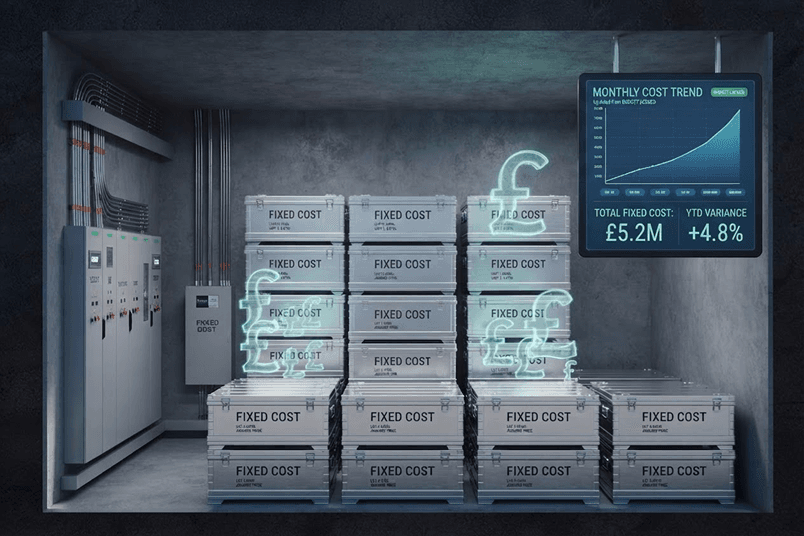
Why Continuous Cyber Tracking Beats Annual Audits for SMEs
·
5 min read
Fixed-Price vs. Hourly Billing: Protecting Your Runway

·
3 min read
VC Technical Due Diligence Checklist for Startup Apps

·
2 min read
Building Scalable Fintech Apps: Security & High Throughput

·
4 min read
The AI Prototype Trap

·
3 min read
Why AI Agents Fail Without Product Structure

·
5 min read
Good UX is System Design, Not Interface Design

·
3 min read
No-Code Works… Until Systems Start to Scale

·
3 min read
Cybersecurity Is No Longer Just an IT Problem
·
8 min read
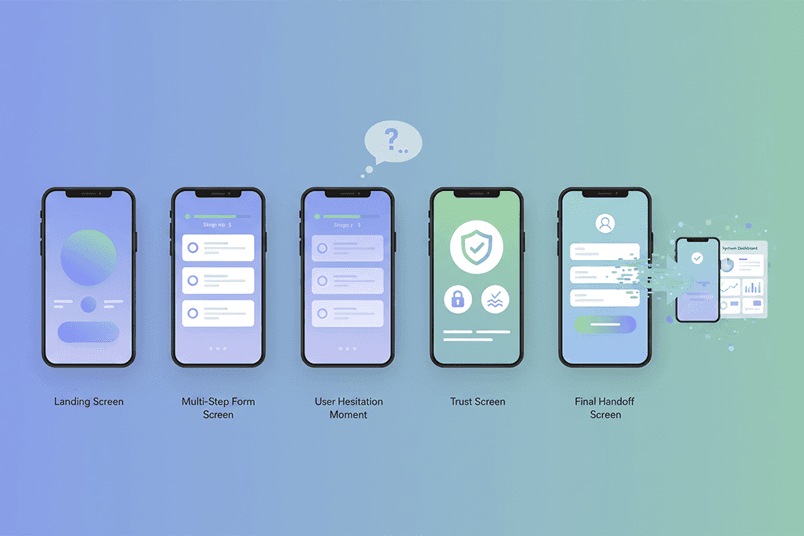
UX for Legal Claim Funnels

·
8 min read
Accessibility Is Product Quality
·
3 min read
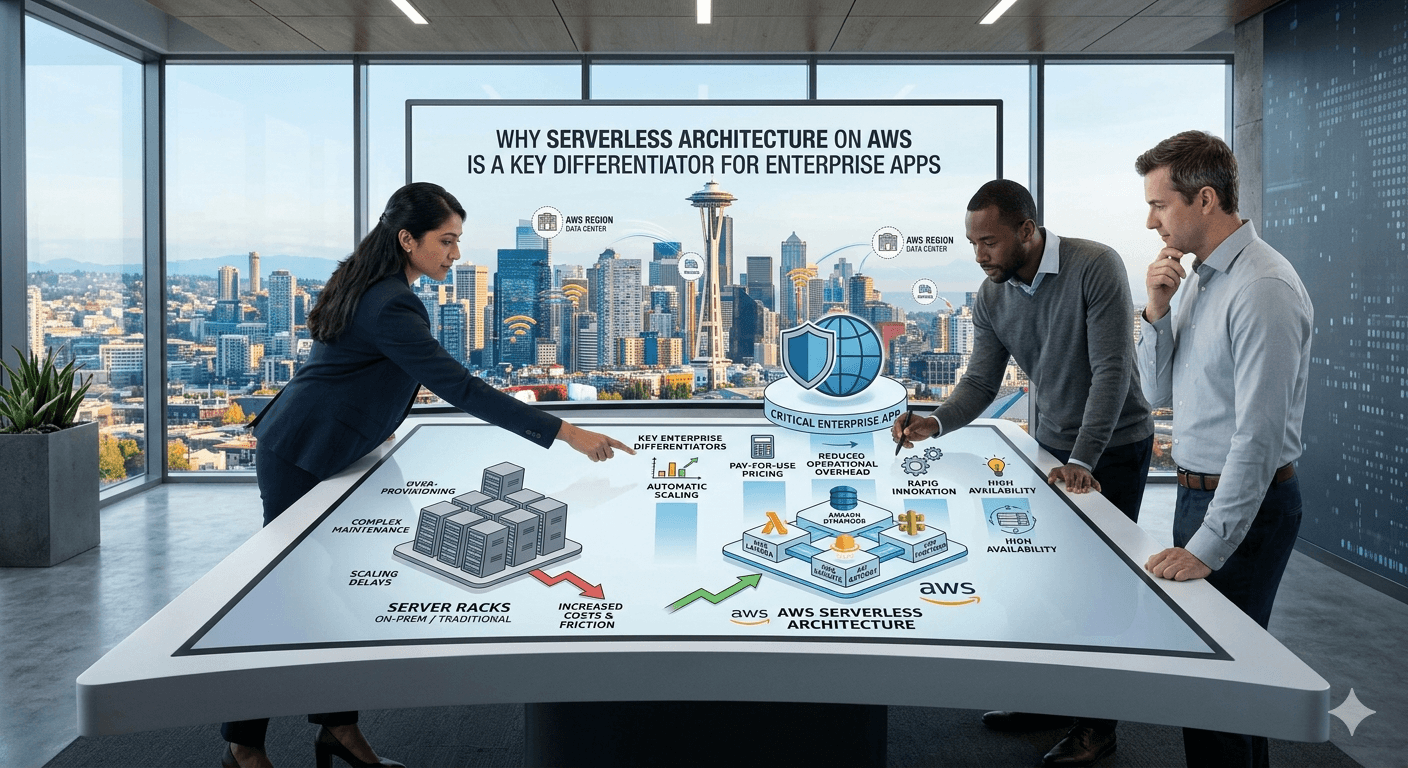
Serverless Architecture on AWS is a Key Differentiator
·
3 min read
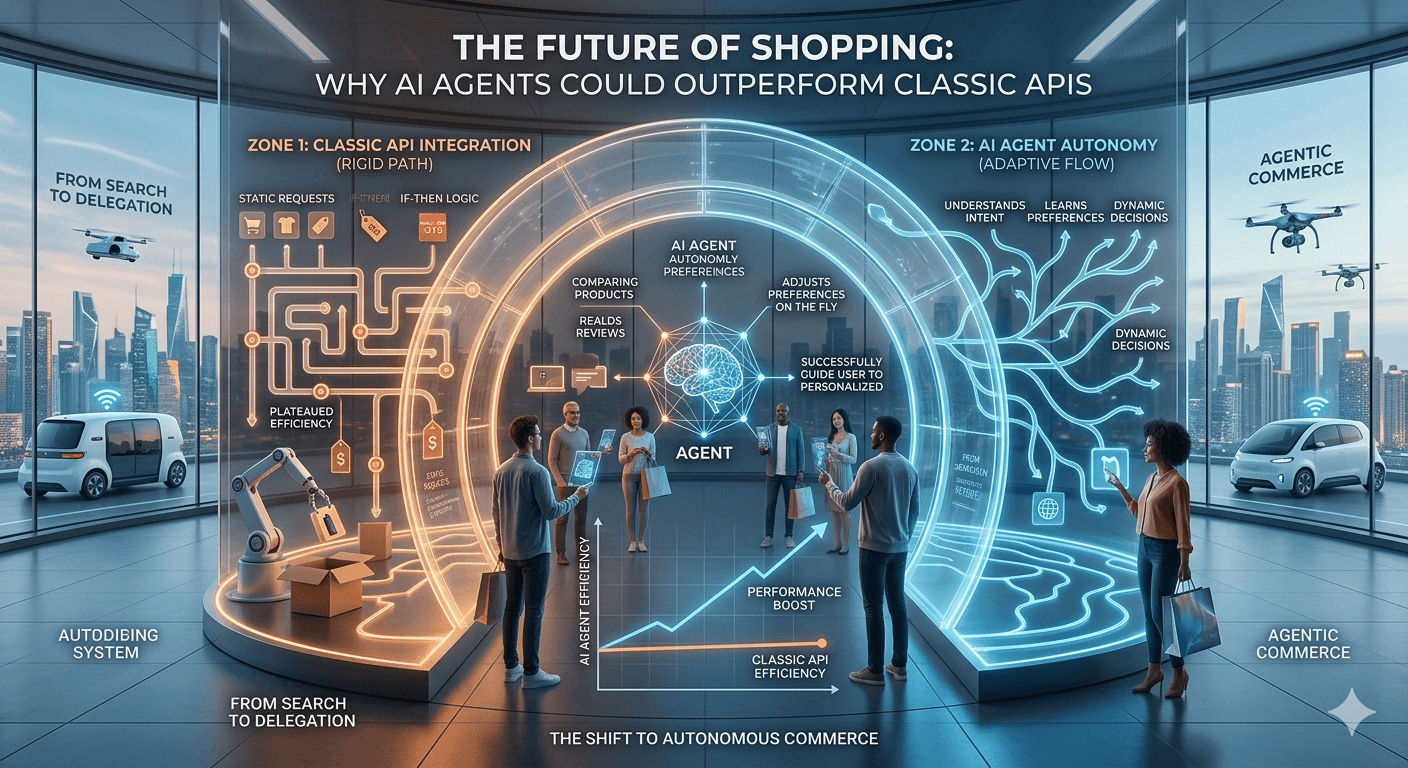
Why AI Agents Could Outperform Classic APIs

·
3 min read
Redefining UI/UX Design Seamlessly